

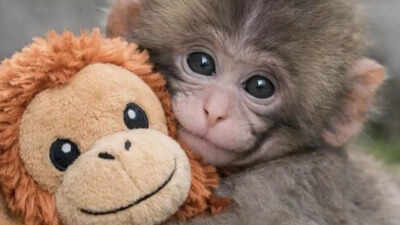
The sad truth behind Punch the monkey has left millions heartbroken and gripped by a mix of tenderness and outrage. Once an adorable viral sensation whose images of clinging desperately to a stuffed orangutan toy melted hearts worldwide, the seven-month-old Japanese macaque named Punch now stands exposed as a tragic figure rejected at birth by his own mother in the harsh reality of a zoo troop dynamic. Fred Kelly, the feature writer delving deep into the story for the Daily Mail, peels back the layers of this emotional phenomenon, revealing the raw reasons for the abandonment and the painful path Punch has endured since.

Born in July 2025 at Ichikawa City Zoological and Botanical Gardens in Chiba Prefecture, Japan, Punch entered the world small, fragile, and immediately unwanted. His mother, a member of the zoo’s established macaque troop, refused to nurse him, groom him, or provide any maternal care within days of delivery. Zookeepers observed her cold rejection almost instantly—she turned away, ignored his cries, and left him isolated on the enclosure floor. In primate society, such behavior often stems from instinctual cues: a weak or undersized infant signals potential survival issues, prompting the mother to conserve energy for stronger offspring or the group’s overall viability. Punch’s diminutive size and perhaps subtle health vulnerabilities made him an easy target for this brutal natural selection, even in a controlled zoo setting.

The abandonment escalated quickly. Without maternal protection, Punch faced hostility from the troop. Adult monkeys dragged him across the ground, nipped at him, and excluded him from play and grooming sessions—essential social rituals in macaque culture. Videos captured these distressing moments: Punch scrambling after older monkeys only to be shoved aside or chased away. The footage exploded online, amassing millions of views and spawning hashtags like “keep going, Punch.” Viewers projected their own feelings of isolation onto the tiny primate, seeing in his wide eyes and trembling form a mirror of childhood loneliness or rejection. Memes, fan art, and emotional tributes flooded social media, turning Punch into an unwitting global icon of vulnerability.
To cope, zookeepers introduced a soft toy orangutan—affectionately dubbed “Ora-mama”—as a surrogate. Punch latched on immediately, dragging the plush everywhere, hugging it during naps, and treating it as the mother he never had. The toy’s fur texture allowed easy gripping, offering tactile comfort in place of real fur. Clips of Punch nuzzling the stuffed animal while surrounded by indifferent troop members broke hearts anew, amplifying the viral wave. People sent messages of support, donated to the zoo, and even visited in droves, hoping to catch a glimpse of the little celebrity.
Fred Kelly’s reporting highlights the zoo’s careful interventions. Keepers monitored Punch closely, providing supplemental feeding and gradual reintroduction efforts. Initial attempts at socialization proved rocky—the troop’s aggression persisted, and Punch retreated to his toy for security. Yet recent updates show progress: Punch has begun bonding with younger monkeys through play, and grooming sessions with accepting adults signal growing acceptance. The ice has broken, as zookeepers describe, with Punch no longer solely reliant on the plush for comfort. He engages in typical juvenile behaviors, chasing peers and exploring without constant fear.
The story stirs fierce debate. Animal welfare advocates praise the zoo’s compassionate handling, arguing that rejection, while heartbreaking, mirrors wild behaviors where weak infants are sometimes culled for troop health. They point out that Punch thrives under human care—fed, protected, and slowly integrated—avoiding a worse fate in nature. Critics, however, decry the enclosure setup, claiming overcrowding or stress contributed to the mother’s decision and the bullying. Some accuse the zoo of exploiting Punch’s plight for publicity, turning genuine suffering into viral content that drives visitor numbers.
Punch’s journey exposes uncomfortable truths about primate society and human empathy. His mother’s rejection wasn’t cruelty in the emotional sense but instinct; the troop’s aggression served hierarchy and protection. Yet the internet’s outpouring—tears shed over a monkey thousands of miles away—reveals our deep need to nurture the vulnerable. Punch clings less to Ora-mama now, finding real companionship among his kind. The toy remains nearby, a transitional comfort as he grows.
Fred Kelly concludes with cautious optimism: Punch’s story, born in sadness, evolves toward resilience. The viral phenomenon that began with abandonment may end with belonging, a reminder that even in rejection’s shadow, small steps toward acceptance can heal. As Punch plays under watchful eyes, the world watches, moved by a tiny macaque who taught millions about loss, love, and the quiet fight to belong.


