

After seven decades of exploring the wildest corners of the earth, Sir David Attenborough is now turning his gaze inward, bringing us an intimate look at the extraordinary wildlife thriving right on our doorsteps. In his new series Secret Garden, Attenborough unveils the hidden, often surprising creatures living within the diverse gardens of Britain, revealing that our backyards are home to thousands of species—some charming, some daring, but all resilient in their fight for survival.

Premiering on BBC iPlayer on April 5th, Secret Garden explores five distinct gardens across the UK, from the rugged hills of the Western Highlands to the quiet, suburban backyards of Bristol. These sanctuaries, created by passionate gardeners, offer a rare glimpse into the untold stories of animals thriving in urban and rural spaces alike. This is no tranquil paradise; in these gardens, nature’s rules are as unforgiving as they are in the wild.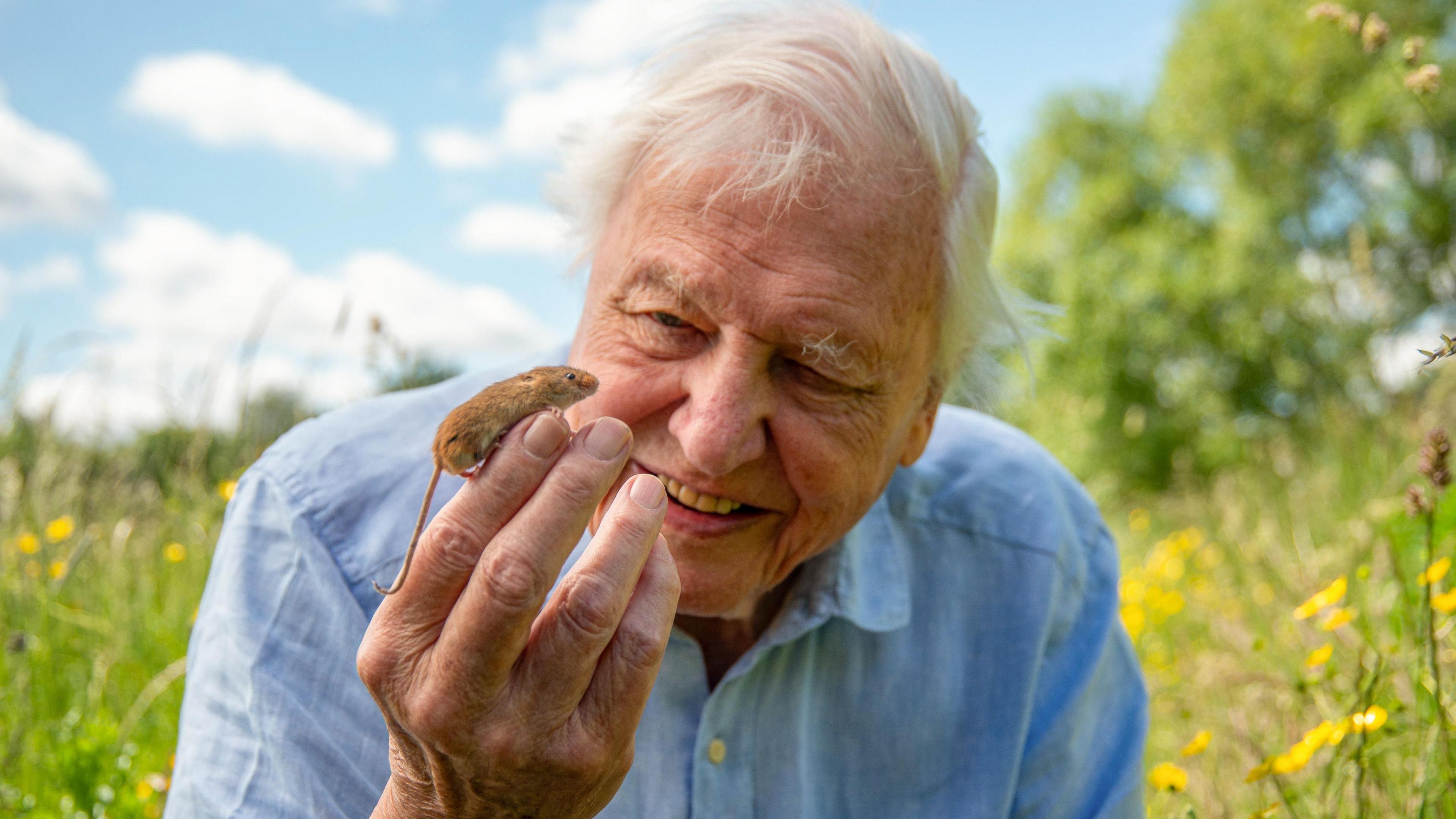
In the first episode, Oxfordshire, Attenborough tells the story of a male kingfisher battling against rising floodwaters to secure his future. The garden’s riverbank becomes a battleground where otters, mallards, and countless insects fight for survival. As we move to Bristol, we enter the heart of an urban jungle. In a garden no bigger than a football field, a fox and a hungry blue tit battle for dominance, while a hedgehog ventures into the unknown in search of love.
The beauty of Secret Garden lies in its portrayal of animals overcoming the odds. Whether it’s the fragile dormice in the Wye Valley, or the pine martens in the Western Highlands, each episode shows how these creatures navigate their often hostile surroundings—both human-made and natural. Attenborough’s narration brings new depth to these intimate battles for survival.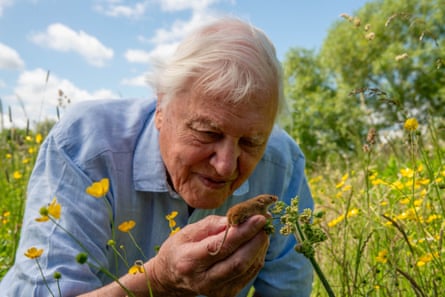
Key Insights:
- Gardens Are Lifelines for Wildlife: With over 25 million gardens in Britain, together they cover an area larger than all of the UK’s National Nature Reserves combined. Small changes, like creating ponds or planting native species, can turn any backyard into a haven for wildlife.
- Biodiversity in Crisis: The UK has seen a drastic decline in its wildlife. From flying insects to native birds, populations have plummeted. But gardens can be part of the solution. They act as wildlife corridors, offering shelter, food, and breeding grounds for countless species.
- Surprising Animal Behaviour: The series reveals new insights into animal behaviour. One of the most captivating moments shows a mother duck, “Doris,” orchestrating the synchronised hatching of her ducklings—a natural feat never before captured on film. Additionally, a pine marten hunting sand martins in the Western Highlands offers a rare look at predation in action.
Why Watch?
In an age where climate change and biodiversity loss dominate the headlines, Secret Garden offers hope and inspiration. Attenborough’s voice is more than just a narration—it’s a call to action. With so much of the world’s wildlife under threat, our own backyards have become the frontline in the battle to preserve species for future generations.
The series is more than just a nature documentary. It’s an invitation to see your own garden as part of something larger. Whether you’re a seasoned gardener or a casual backyard enthusiast, Attenborough’s message is clear: your garden matters. With simple steps, we can all contribute to the recovery of our natural world.
A Tribute to Sir David Attenborough’s Legacy:
As Sir David approaches his 100th birthday, Secret Garden feels like a fitting tribute to his lifetime of work in wildlife conservation. His unparalleled expertise and commitment to the natural world have shaped how we view our planet. This series, narrated by Attenborough himself, brings his wisdom and passion for nature into our homes like never before.
Secret Garden isn’t just about looking at the beauty around us; it’s about embracing it and doing our part to protect it. With every flower, every bird, every pond, we have the power to make a difference.
Don’t miss the magic. Watch Secret Garden on BBC iPlayer from April 5th. 


