

In the cold, echoing corridors of HMP Wakefield — Britain’s notorious ‘Monster Mansion’ — a brutal act of vigilante justice unfolded behind bars that has left the entire prison service reeling. Leaked CCTV footage, now sending shockwaves across the nation, captures the horrifying final moments of child killer Kyle Bevan, the monster serving life for the savage murder of two-year-old Lola James.
Bevan, 33, was ambushed in his cell on November 4, 2025, stabbed more than 25 times in a frenzied attack that lasted just four minutes and 39 seconds. What makes this story even more chilling isn’t just the sheer savagery of the assault — but the casual, almost celebratory way his killers strolled away from the scene, laughing and chatting as if they’d just completed a routine chore. No panic. No rush. Just three convicted murderers emerging from the cell in what prosecutors later described as a “satisfied, job-done mood,” leaving Bevan “tidily tucked up in bed” like a child after story time.
This isn’t just another prison stabbing. This is a damning indictment of a broken system where the most dangerous men in Britain are housed together with seemingly no effective safeguards, where justice — or revenge — can be delivered in broad daylight on camera, and where staff apparently failed to intervene in time to save a life, however monstrous that life may have been.
The Monster Who Killed Little Lola
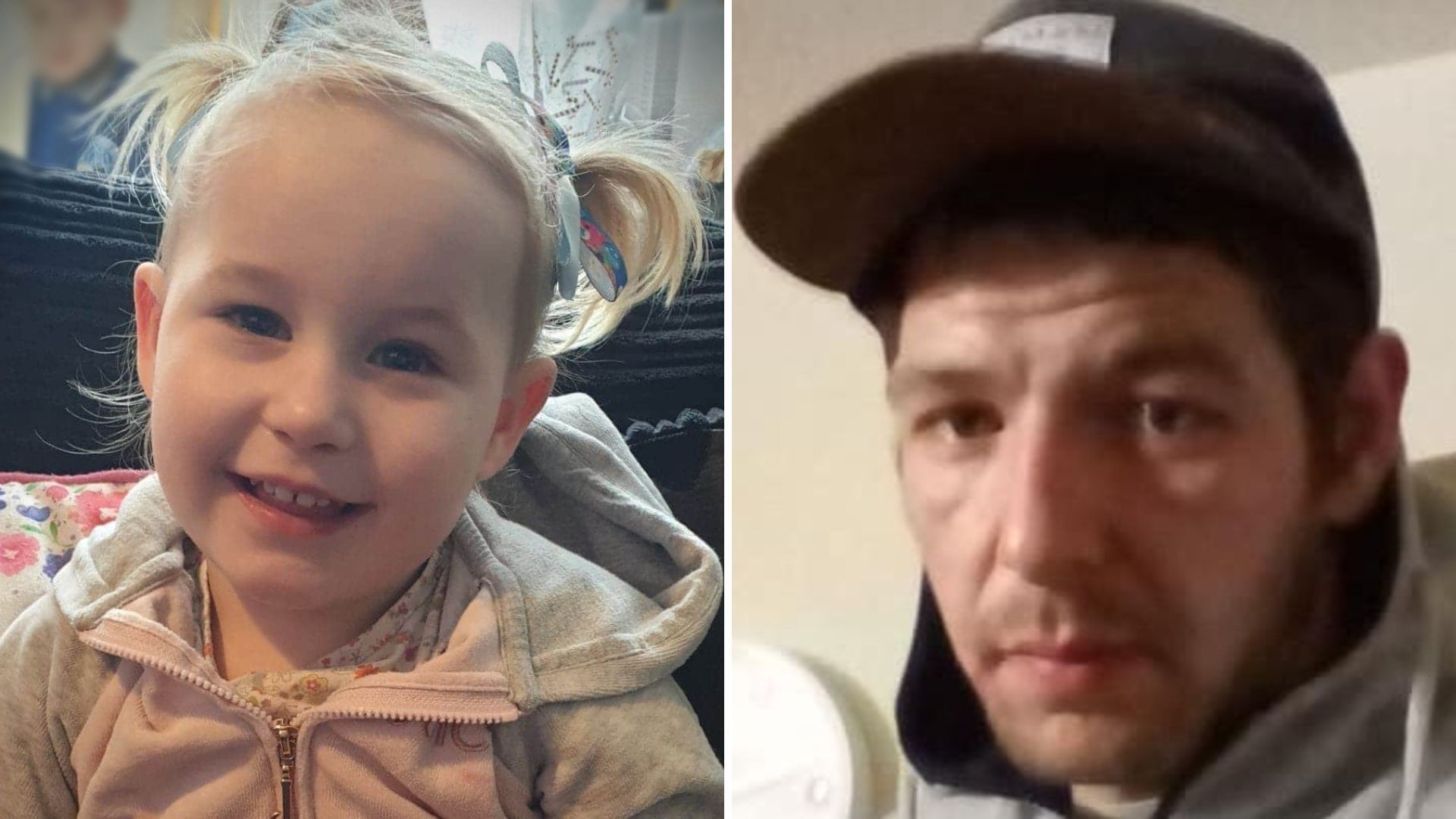
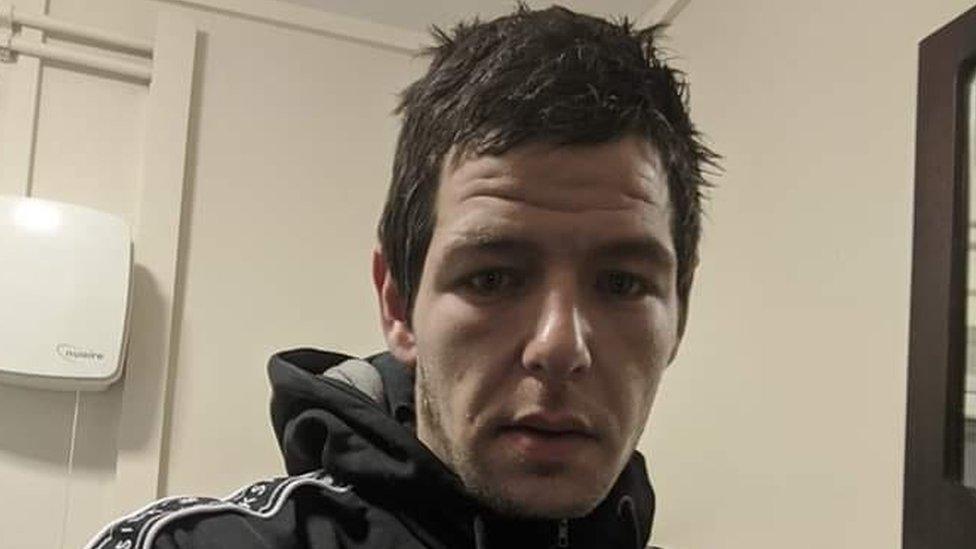
To understand the fury that led to Bevan’s bloody end, we must go back to the horrific crime that put him behind bars in the first place. In July 2020, in the quiet town of Haverfordwest, Pembrokeshire, Bevan unleashed a brutal, six-hour assault on his partner’s two-year-old daughter, Lola James, while her mother slept nearby.
The tiny toddler suffered “catastrophic” brain injuries and a horrifying total of 101 separate wounds. Bevan, a violent drug addict with a history of abuse, showed no mercy. Medical experts described the attack as frenzied and sadistic. Lola fought for her life for four days in hospital before dying from her devastating injuries. In 2023, Bevan was handed a life sentence with a minimum term of 28 years — a punishment many felt was far too lenient for such an unimaginable evil.
Lola’s family and the public were rightly outraged. “He is a monster who doesn’t deserve to breathe the same air as decent people,” one relative said at the time. Bevan’s name became synonymous with pure evil, the kind of offender that even hardened criminals despise.
And in HMP Wakefield, home to some of the UK’s most notorious sex offenders and child killers, that hatred apparently festered into lethal action.
The Leaked Footage That Changes Everything

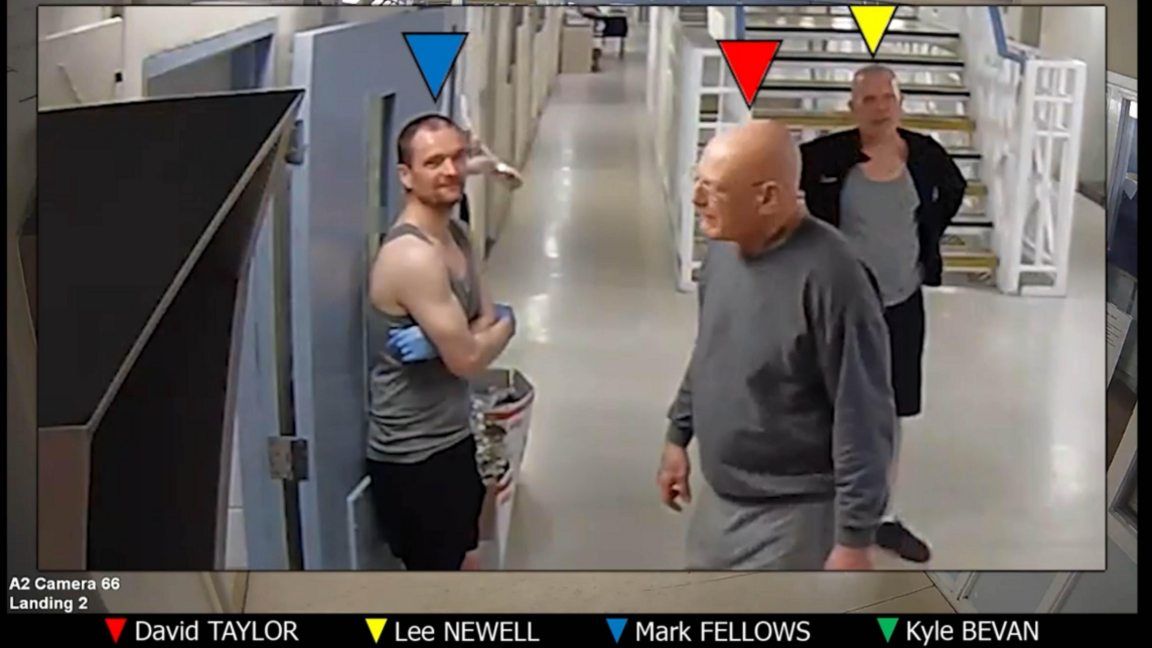
The newly surfaced CCTV, which investigators are still poring over, tells a story of cold calculation. Bevan is seen walking calmly back to his cell. Moments later, three fellow inmates — Mark Fellows, 45, Lee Newell, 57, and David Taylor, 64 — follow him inside. What happens next is hidden from view, but the aftermath is crystal clear.
Less than five minutes pass. The trio emerges, one of them seen adjusting something at his waistband. They walk away laughing, exchanging words as if sharing a joke. No one raises the alarm immediately. The corridor falls silent once more. Bevan is left bleeding out in his bed, his body arranged neatly to delay discovery until morning roll call.
Sources close to the investigation tell the Daily Mail that the footage has raised disturbing questions about whether this attack was “set in motion long before” it happened. Was there a prison code that allowed this to unfold? Did inmates know something staff didn’t — or chose to ignore?
One prison insider, speaking on condition of anonymity, said: “Wakefield is a pressure cooker. You’ve got lifers with nothing to lose, thrown in with the worst of the worst. Staff are overstretched, cameras don’t cover everything, and violence has skyrocketed. This was inevitable.”
Inside Britain’s ‘Monster Mansion’
HMP Wakefield, a grim Victorian fortress in West Yorkshire, has long been synonymous with the darkest corners of the British penal system. Category A, high-security, it houses rapists, murderers, terrorists and paedophiles — men like Ian Watkins, the former Lostprophets singer and vile paedophile who was himself stabbed to death in the same prison just weeks earlier in October 2025.
Recent inspections paint a picture of a facility in crisis. A report by HM Inspectorate of Prisons revealed a staggering 62% rise in violent incidents and a 72% increase in serious assaults. Older inmates feel unsafe around younger, more volatile prisoners. Infrastructure is crumbling: broken showers, faulty call bells, shabby wings, and unreliable security systems. Many prisoners are too terrified to leave their cells.
This is the hellhole where Bevan met his end. And it’s not isolated. The UK prison system is buckling under overcrowding, staff shortages, record recalls, and early release schemes that critics say are putting the public at risk while failing to control those already inside.
Prisons across England and Wales are operating at breaking point, with nearly three-quarters overcrowded. Homicides behind bars are rising. The Ministry of Justice talks of “reforms,” but campaigners and officers’ unions warn it’s too little, too late.
The Killers: Men With Blood on Their Hands
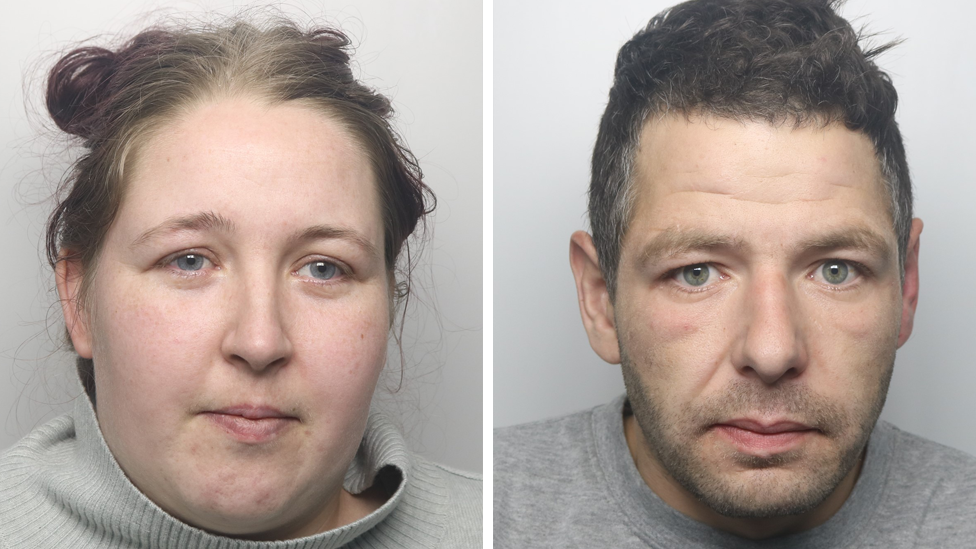
The three men convicted of Bevan’s murder are no angels themselves. Mark Fellows, Lee Newell, and David Taylor — all already serving lengthy sentences for previous killings — were found guilty at Leeds Crown Court in June 2026 after a swift trial. A jury took less than three hours to convict them, and each was handed a whole-life order, meaning they will never see freedom again.
Prosecutors described a joint enterprise: a planned hit using makeshift weapons, including parts from a folded metal TV component that caused devastating damage to Bevan’s jugular, aorta, and heart. The men allegedly tucked their victim up in bed to buy time before discovery.
In court, the chilling CCTV was played. One witness described the attackers’ demeanour as “job done.” It has sparked debate across the country: is this rough justice for a child killer? Or a terrifying failure of the state to maintain order even in its most secure facilities?
Victims’ rights groups are divided. Some say Bevan got what he deserved. Others warn that allowing inmates to act as judge, jury, and executioner undermines the entire justice system.
Lola’s devastated family has remained largely silent, but friends say they feel a complex mix of emotions. “Lola can never come back,” one told the Mail. “But knowing that the man who did that to her is gone… it brings a small sense of closure, even if it’s not the right way.”
Shockwaves Through the Prison Service
The fallout from this “Prison Hell” incident has been seismic. Prisons Minister has faced urgent questions in Parliament. The Prison Officers Association has slammed chronic understaffing and called for immediate reviews of high-risk prisoner placements. HM Chief Inspector of Prisons has admitted “insufficient progress” on tackling violence at Wakefield.
Senior sources within the Ministry of Justice admit privately that the case highlights deep flaws in how the most dangerous offenders are managed. “We separate vulnerable prisoners where possible, but in places like Wakefield, mixing is sometimes unavoidable. This attack shows the risks,” one official said.
Calls are growing for a full public inquiry into Wakefield and the wider system. Opposition MPs have branded it “two-tier justice gone mad” — where child killers are protected by the state until other criminals take matters into their own hands.
Meanwhile, the public reaction on social media has been explosive. Hashtags like #WakefieldJustice and #PrisonFail trend as thousands share their views. Many express little sympathy for Bevan but outrage at the apparent security lapses. “If they can’t stop three men killing one in under five minutes on camera, what hope is there?” one viral post read.
The Human Cost: Lola’s Legacy
At the heart of this story remains little Lola James — an innocent toddler whose short life was stolen in the most horrific way. Her murder shocked the nation and led to calls for tougher sentences for those who harm children.
Bevan’s death doesn’t erase her suffering. It doesn’t bring her back. But it has reignited debates about whether our prisons are truly places of punishment and rehabilitation — or gladiatorial arenas where the strong prey on the weak, regardless of their crimes.
Psychologists warn that such incidents can create a dangerous cycle. Vigilante attacks inside breed more violence, more lockdowns, more fear. Staff morale plummets. Recruitment becomes harder. The system spirals.
One former prison governor, speaking to the Mail, painted a bleak picture: “These facilities were built for a different era. Today’s inmates are more violent, more heavily involved in gangs and drugs like Spice. Older, more calculated killers see themselves as enforcing a code. It’s anarchy.”
Broader Crisis: UK’s Failing Prisons
This isn’t just about Wakefield. Across the country, prisons are in meltdown. Early release schemes have seen tens of thousands freed prematurely to ease overcrowding, only for many to be recalled. Violence is up. Self-harm and suicides are alarmingly high. Drugs flood in. Staff are assaulted daily.
Reports from the Prison Reform Trust and others highlight systemic failures: underfunding, outdated buildings, inadequate mental health support, and a revolving door for prolific offenders. The prison population hovers near record highs, projected to grow further.
Critics on the right argue for more prisons, longer sentences, and zero tolerance. Those on the left call for more rehabilitation and addressing root causes like poverty and addiction. The truth, as always, lies somewhere in the messy middle — but action is desperately needed.
In Wakefield alone, multiple deaths in quick succession — murders, suicides — have taken a “significant toll” on everyone involved. Families of victims, both inside and out, are left asking: who is really in charge?
What Happens Next?
As the three killers begin their whole-life terms, the investigation continues. Questions remain about the full sequence of events, any potential staff negligence, and whether more footage exists that could reveal warnings ignored.
The Ministry of Justice says improvements are underway: better intelligence sharing, enhanced searches, infrastructure upgrades. But insiders doubt real change without massive investment and political will.
For the public, this leaked CCTV has peeled back the curtain on a world most of us never see — a world of shadows, codes, and casual brutality. It forces us to confront uncomfortable truths: some criminals are so reviled that even fellow inmates can’t stomach them. And our system struggles to contain the monsters it creates and confines.
Kyle Bevan’s death was brutal, calculated, and, in the eyes of many, poetic justice for Lola. But the laughter on that CCTV, the fading footsteps, the cold indifference — they expose a deeper rot. A prison service in crisis. A nation demanding answers.
How many more “Prison Hell” stories must we endure before real reform bites? The shockwaves from Wakefield are only just beginning. The system is watching. Britain is watching. And little Lola’s memory demands better.


