

Gordon Ramsay Reinvents Airport Dining With Plane Food Market at Heathrow — and It’s Nothing Like the Old Days
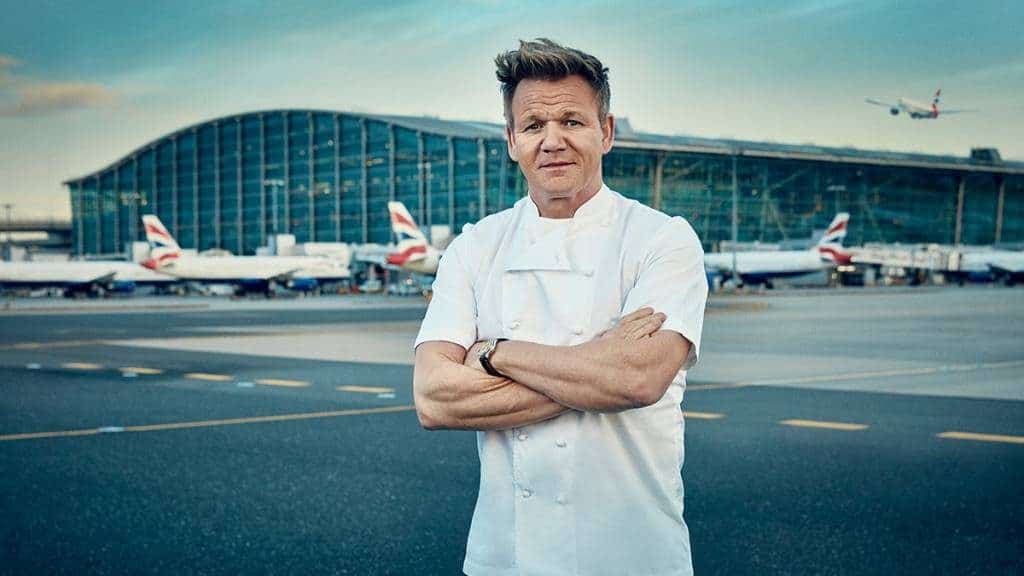
Airport food used to be something passengers tolerated, not something they looked forward to. Rushed sandwiches, limp fries, and coffee brewed hours earlier were once the norm, especially for travelers hustling through major hubs like Heathrow. But that era has been quietly disappearing, replaced by chef-led concepts that aim to turn pre-flight meals into part of the journey rather than a compromise. Few chefs have pushed that shift harder — or earlier — than Gordon Ramsay.
Seventeen years after first launching Plane Food at Heathrow Terminal 5, Ramsay has returned to the concept with a full rework designed for how people actually travel today. The result is Plane Food Market, a fast-moving, market-style dining space that blends speed, flexibility, and recognizable Ramsay brands under one roof — without pretending passengers have time for a white-tablecloth experience.
When Plane Food first opened in 2008, it was considered bold. A celebrity chef in an airport, serving plated meals to travelers before long-haul flights, felt almost radical at the time. But the world has changed. Travelers are more rushed, more selective, and more aware of quality — and Ramsay has adjusted accordingly.
Plane Food Market is built around choice. Instead of committing passengers to a single menu or cuisine, the new concept allows them to mix and match dishes from several Gordon Ramsay Restaurant brands in one visit. It’s an intentional response to the fractured way people now eat while traveling — part snack, part meal, part indulgence.

The space opens early at 5 a.m. and runs until 9:30 p.m., catering to everything from early departures to evening connections. The layout reflects that flexibility. Time-poor business travelers can grab food quickly and move on, while families and leisure passengers can sit down for something more relaxed. A large open bar anchors the room, offering pre-boarding drinks and a sense of openness that keeps the space from feeling claustrophobic.
Visually, Plane Food Market is clean and functional rather than flashy. Chefs are visible preparing food, which adds a welcome sense of transparency and confidence. Seating is comfortable enough, though it doesn’t try to be a destination in itself. This is a place designed to work efficiently, not linger romantically.
The menu is where the concept truly comes alive.
Asian-inspired dishes from Ramsay’s Lucky Cat brand dominate the offering and quickly emerge as the strongest reason to stop here. Spicy tuna rolls, duck bao, and pork gyoza stand out for their freshness and balance — impressively close to what you’d expect from a standalone Lucky Cat restaurant rather than a watered-down airport version. The gyoza, in particular, deliver crisp texture and deep flavor, making them one of the most memorable dishes in the space.
Alongside Lucky Cat, several other Ramsay staples make appearances. Gordon Ramsay Fish & Chips offers familiar British comfort food done properly. Street Burger serves smash burgers and indulgent chili cheese options that feel indulgent but reliable. Street Pizza focuses on slices with varied toppings, ideal for travelers who want something quick but satisfying. Hotter Than Hell Wings caters to spice lovers looking for a jolt before boarding.

Nothing here feels rushed or careless. Even the more casual options maintain a level of consistency that reflects Ramsay’s brand standards.
For longtime fans of the original Plane Food, there’s a sense of continuity as well. Several signature dishes from the 2008 concept remain available throughout the day. Travelers can still order a full English breakfast, butter chicken curry, or the famously tongue-in-cheek Idiot Sandwich — filled with slow-cooked barbecued beef brisket — a nod to Ramsay’s television persona that has become a cult favorite.
Pricing, as always at Heathrow, is a balancing act.
On the whole, Plane Food Market lands in a reasonable place for airport dining. Burgers, pizzas, and fish and chips hover around £17–18, which feels fair given the setting, quality, and branding. For Terminal 5, these prices are competitive rather than outrageous.
However, not everything escapes scrutiny. Some items push well into premium territory. A chicken Caesar salad priced at £23.50 feels difficult to justify, especially in an airport environment. More striking still is the fried duck leg bao at £35, which immediately becomes one of the most expensive items on the menu. While the dish may deliver on quality, the price creates a mental hurdle for travelers already navigating the inflated costs of flying.

These pricing extremes slightly undermine the otherwise accessible feel of the concept. Plane Food Market works best when it offers quality without forcing passengers to question value.
Still, the broader success of the relaunch is hard to deny.
Plane Food Market reflects a clear understanding of modern travel habits. Passengers want speed, but they also want choice. They want familiar brands, but not at the expense of freshness. They want flexibility without sacrificing quality. Ramsay’s updated concept addresses those needs with precision.
Most notably, the Lucky Cat offerings elevate the entire experience. They signal that this isn’t airport food pretending to be better — it’s genuinely good food that happens to be in an airport.
Heathrow Terminal 5 is one of the busiest terminals in the world, and Plane Food Market feels built for that reality. It doesn’t ask travelers to slow down unnaturally or commit to a formal dining experience. Instead, it meets them where they are — hurried, hungry, and selective.
Seventeen years after its original debut, Plane Food has evolved without losing its original ambition. Ramsay didn’t just reopen a restaurant. He rethought how airport dining should function in an era where time is scarce and expectations are high.
For travelers passing through Terminal 5, Plane Food Market offers something rare in airport dining: food that feels intentional, flexible, and genuinely worth choosing — even if a little restraint on the most premium prices would make it even stronger.


