
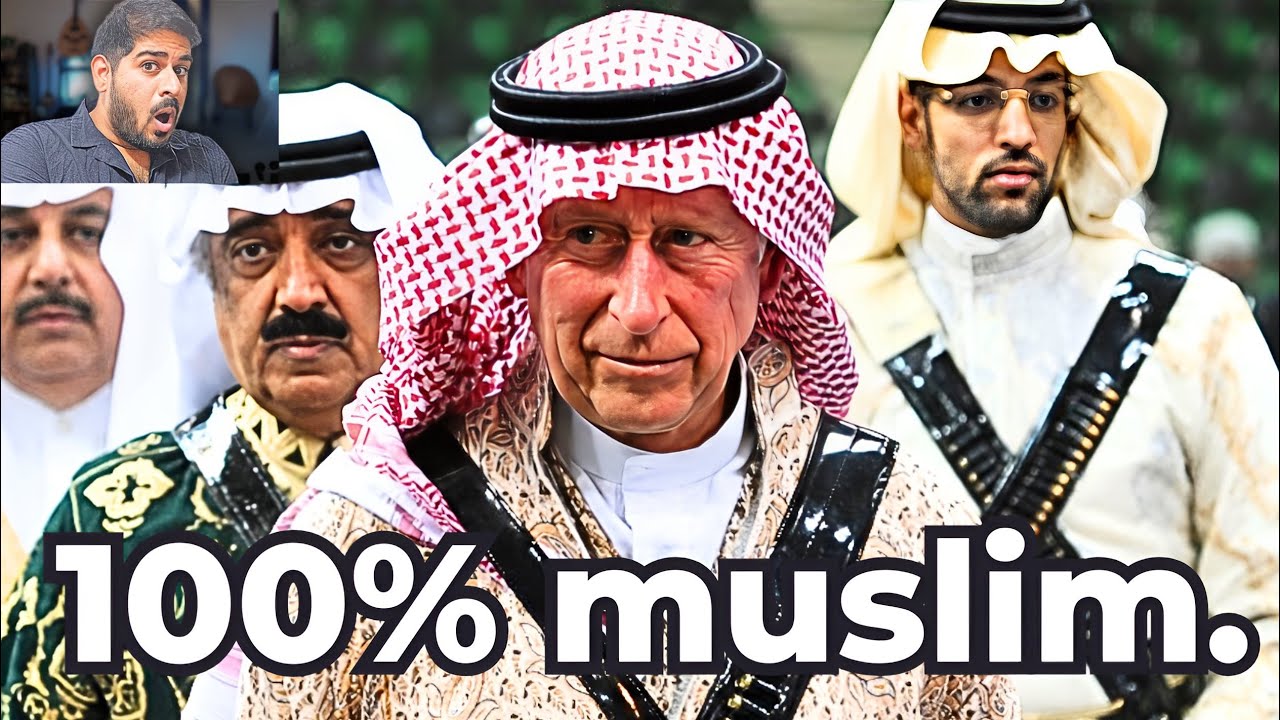
A political commentary video has generated discussion online after criticizing King Charles III’s recent visit to the Cambridge Central Mosque, using the occasion to raise broader concerns about the monarchy, immigration, religious identity, and the future of the United Kingdom.
The video focuses on the King’s visit to the Cambridge Central Mosque, which has been described as Europe’s first eco-friendly mosque because of its environmentally sustainable design, including energy-efficient systems and renewable energy technology. During the visit, King Charles praised the mosque’s efforts in environmental sustainability and encouraged continued cooperation between different faith communities.
The commentator argues that the King’s appearance at the mosque reflects what he sees as a growing emphasis on interfaith engagement while claiming that the monarch has devoted less public attention to Christian events. The presenter specifically contrasts the mosque visit with the King’s participation in Ramadan-related events and questions whether sufficient emphasis has been placed on Easter and the Church of England. These criticisms represent the opinion of the speaker.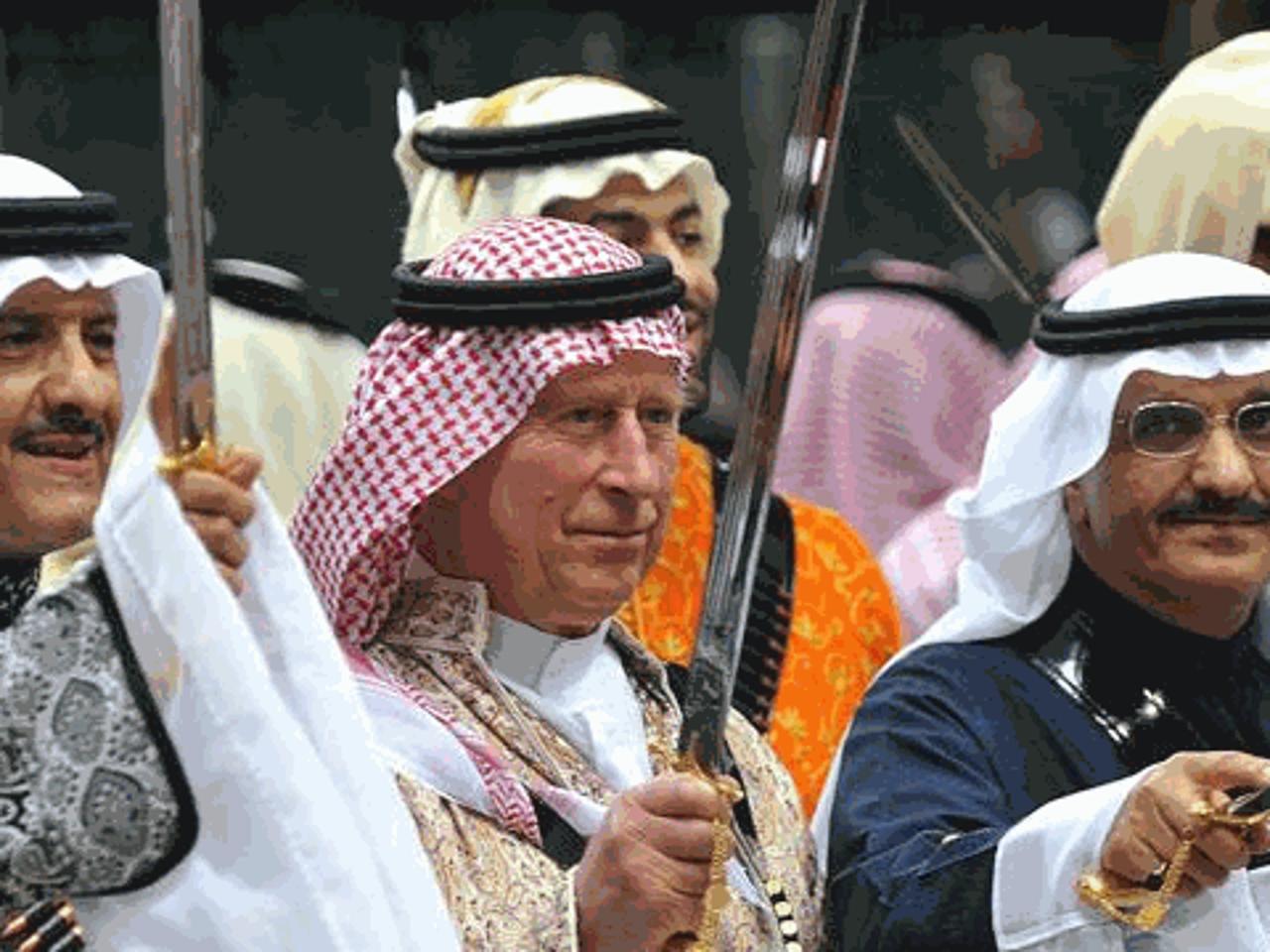
Throughout the video, the presenter expresses concern about immigration and demographic change, arguing that current government policies have encouraged increasing migration into the United Kingdom. The commentator claims that these developments could alter Britain’s cultural and national identity, although no independent evidence is presented in the video to support many of the broader conclusions.
The discussion also includes remarks from another commentator who argues that, as Supreme Governor of the Church of England, King Charles has constitutional responsibilities toward the established church. According to that speaker, if the King no longer personally identifies with Christianity, he should consider stepping aside from the throne. These remarks are presented as personal opinion rather than established fact.
The video further references unverified claims made in other media discussions suggesting that King Charles may have privately converted to Islam. The presenter acknowledges that there is no confirmed evidence supporting such allegations, while stating that the King’s public actions have fueled speculation among some commentators. No credible evidence is presented within the video to substantiate these claims.
The commentary also criticizes what it describes as increasing cooperation between churches and Muslim communities in Britain, arguing that religious and cultural traditions are changing. Supporters of interfaith dialogue, however, generally describe such initiatives as efforts to promote understanding and cooperation between different communities.
Toward the end of the video, the presenter broadens the discussion to include criticism of the Labour government and current immigration policies. According to the commentator, Britain faces significant demographic and cultural challenges that require greater public attention. The presenter urges viewers to become more politically active and voice their concerns regarding the country’s future.
The video concludes with a warning that the United Kingdom is undergoing major social change and encourages viewers to engage in public debate. While the issues discussed—including immigration, religious freedom, constitutional responsibilities, and the role of the monarchy—remain subjects of ongoing political discussion, many of the video’s strongest allegations and conclusions are expressions of opinion or speculation rather than independently verified facts.


