

The finale of Tournament of Champions Season 7 delivered exactly what host Guy Fieri promised: a battle to remember. But while the cooking lived up to the hype, the outcome has sparked a wave of debate among fans — because the crowning of Bryan Voltaggio did not land as cleanly as his final dish.

On paper, the result makes perfect sense. Voltaggio navigated one of the toughest brackets in the show’s history, defeating Kenny Gilbert in the semifinals with an almost flawless performance before edging out Kevin Lee in a razor-thin final. His technical precision, refined plating, and ability to consistently satisfy the Randomizer made him a formidable opponent from start to finish.
Yet, as soon as the final scores were revealed, a different narrative began to take shape.
A growing segment of viewers argued that Voltaggio’s victory felt less like a triumph of innovation and more like a reward for playing it safe. Throughout the competition, he leaned heavily on polished technique and controlled execution — a strategy that works exceptionally well in a blind judging format. However, critics say that same approach lacked the kind of bold creativity that defines truly iconic TOC performances.
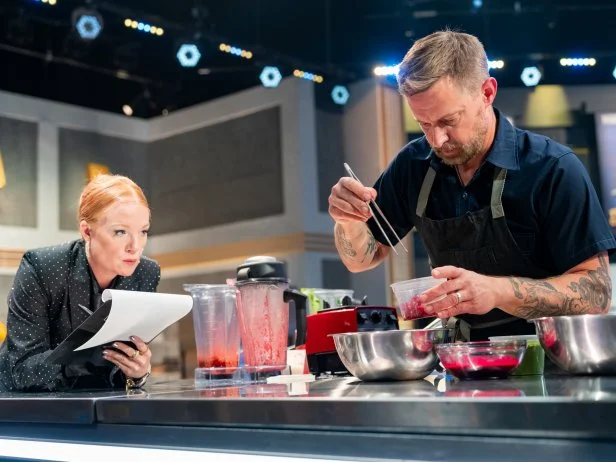
That tension between “perfect” and “memorable” became the heart of the controversy.
In contrast, several eliminated competitors were widely seen as pushing boundaries in ways that Voltaggio did not. Most notably, Jet Tila once again became the emotional center of the conversation. Despite falling short in the semifinals — this time to Kevin Lee — Jet’s risk-taking and flavor-driven cooking left a lasting impression. His willingness to prioritize taste over strict adherence to the Randomizer has long defined his TOC journey, but it may also be what continues to hold him back.

Fans sympathetic to Jet pointed to his semifinal exit as a turning point. Many believed that had he advanced to the final, the outcome of the season might have been entirely different. His style, rooted in bold flavors and instinct rather than calculated gameplay, represents a stark contrast to Voltaggio’s measured approach — and for some viewers, that contrast made the final result feel unsatisfying.
The debate didn’t stop there. Even Kevin Lee, who ultimately faced Voltaggio in the final, was seen by some as embodying the spirit of risk and creativity more fully. His dishes often balanced technical execution with inventive ideas, and his ability to “play the game” without sacrificing originality earned him strong support among fans.
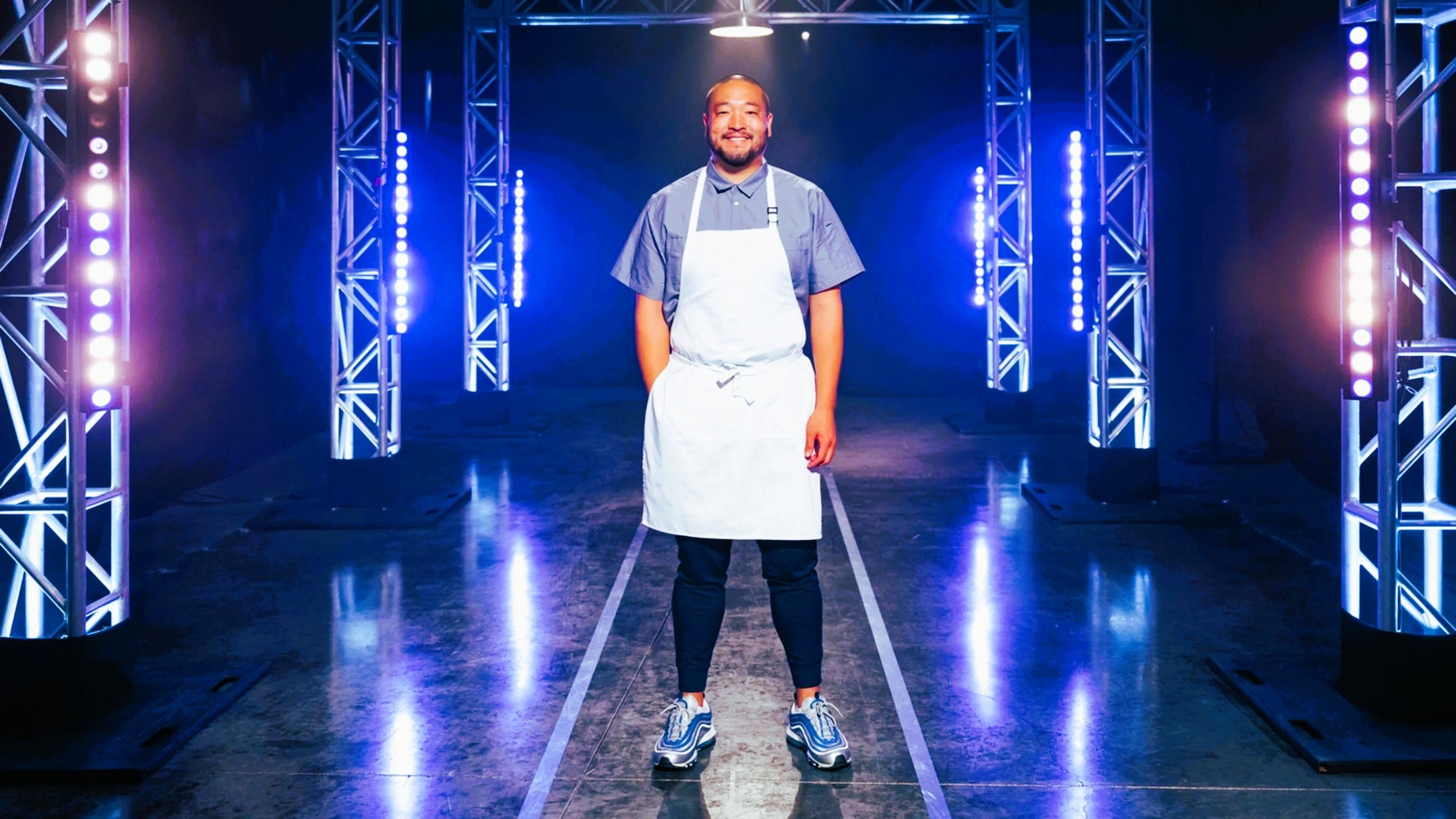
Still, the scoring system told a different story. In a format where every element — taste, presentation, and use of the Randomizer — is meticulously judged, consistency can outweigh flashiness. Voltaggio didn’t just cook well; he optimized every category. And in a competition designed to eliminate bias, that kind of precision is often the deciding factor.
That raises a larger question about the nature of TOC itself. If the show is truly about judging food and nothing else, then Voltaggio’s win is entirely justified. But if fans are also looking for creativity, risk, and unforgettable moments, then the definition of “deserving” becomes far more subjective.
In the end, Bryan Voltaggio is officially the champion of Season 7 — a title he earned through discipline, experience, and near-flawless execution. But the conversation surrounding his victory reveals something deeper about the competition: winning isn’t just about being the best on paper. It’s also about leaving no doubt in the minds of those watching.
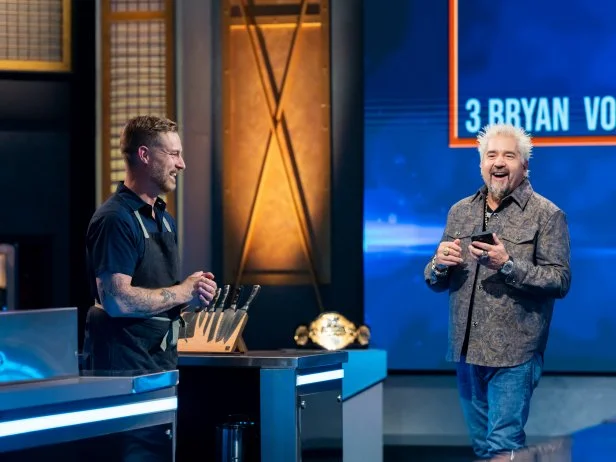
And this time, for many fans, that doubt remains


